
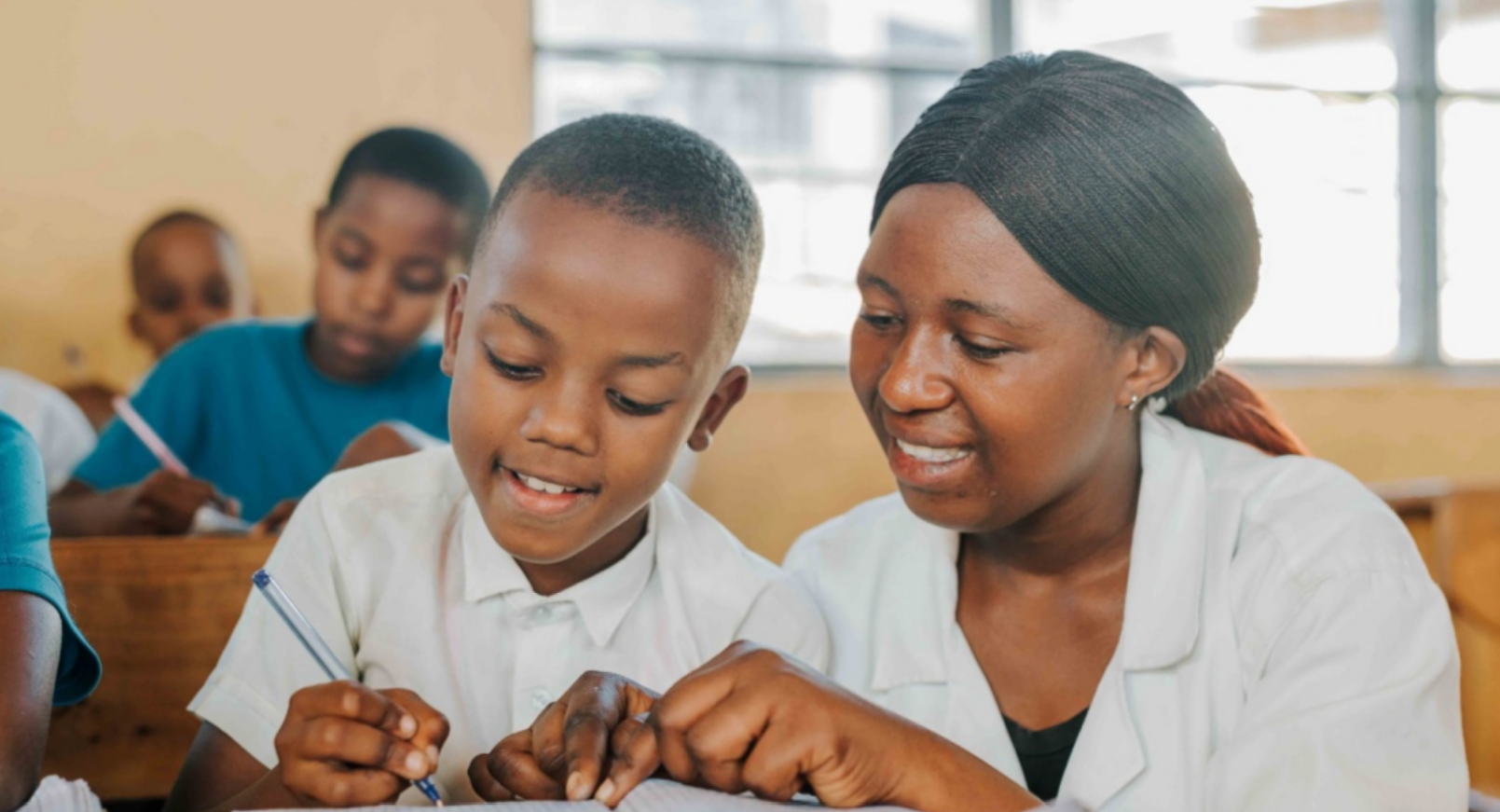
What evidence and lessons from KIX research over the past 5 years sought to strengthen early childhood education? And what efforts were made to scale up the impact of innovations? Read to find out.
Early childhood education (ECE) is crucial for helping children develop essential cognitive, motor, and social-emotional skills that set the stage for lifelong learning and success.
Despite the growing recognition of ECE’s importance, nearly half of the world’s pre-primary age children lack access to ECE. This figure rises to 8 out of 10 in low-income countries and is particularly high for marginalized groups.
As countries work towards increasing access to ECE services, addressing quality and inclusion is equally important.
Doing so requires a comprehensive system approach that mainstreams ECE into national sector plans and budgets; fosters community engagement and ensures appropriate curriculum development pedagogy, teacher training, and quality assurance mechanisms.
However, many GPE partner countries are still facing challenges in adopting and sustaining such a system approach.
How GPE KIX is supporting ECE
GPE’s Knowledge and Innovation Exchange (KIX), a joint endeavor with Canada’s International Development Research Centre, has funded eight ECE research projects from 2020–2024.
Related Post
Encouraging parents to enroll children with disabilities in school
Stelyne lives with her mother and 4 siblings in
Guinea-Bissau: Over 3,000 teachers trained to deliver a modernized curriculum
When Guinea-Bissau joined GPE in 2010, the government and partners endorsed